
 Case Info & Legal Team
Wichita’s warrantless ALPR dragnet surveillance program is unconstitutional
This case is about fighting back against Wichita’s automated license plate reader (ALPR) surveillance program. Through its vast and pervasive network of nearly 200 AI-powered ALPRs, Wichita is continuously tracking, surveilling, monitoring, and compiling a searchable database on every law-abiding Kansan driving in the city—without a warrant or any judicial oversight whatsoever. That’s unconstitutional.
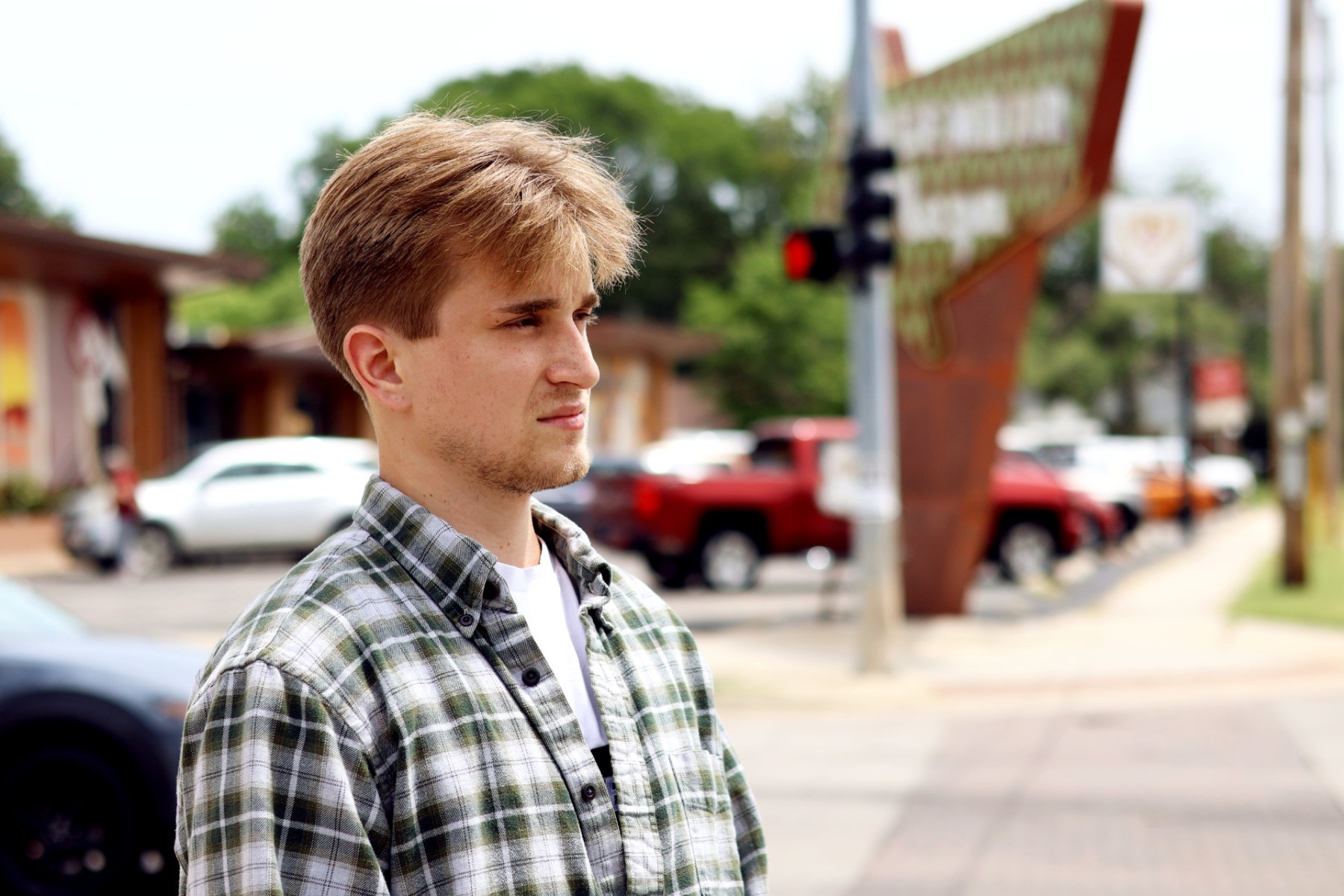
Wichita uses nearly 200 AI-powered cameras to track the movements of every driver.
ALPRs are sophisticated cameras that capture photographs of every car, including its time and geographic location. Using artificial intelligence, the cameras choose the best photo and upload it into the cloud in as little as twenty seconds.
Through its vast and pervasive network of nearly 200 AI-powered ALPRs, Wichita is continuously tracking, surveilling, monitoring, and compiling a searchable database on every law-abiding Kansan driving in the city—without a warrant or any judicial oversight whatsoever. The ALPR surveillance database reveals where a person has gone and when. Wichita shares its surveillance database with hundreds of other law enforcement agencies. Those agencies could then provide Wichita’s information to other law enforcement agencies.
In 2020, Wichita began deploying ALPRs from Flock Safety, Inc., throughout the city. Wichita is now saturated with nearly two hundred ALPRs which photograph every passing car, 24/7.
Wichita’s ALPRs do far more than simply read license plates or enforce speeding and red-light laws. The photographs are sent to Flock’s servers where an AI analyzes not just the license plate but the make and model of the car, bumper stickers, bike racks, and even dents and scratches to create what Flock calls a “Vehicle Fingerprint.”
All of this data is then stored in a historical database, enabling law enforcement to reconstruct a map of any vehicle’s movements. Police can analyze where a person has gone, if they have visited any “location of interest” identified by police, and even identify the driver’s friends and family through a “convoy analysis” tool that identifies any vehicles that have been seen in the vicinity of a targeted vehicle. In short, Wichita has created an ALPR dragnet to construct a readily accessible database of every driver’s movements, activities, and associations.
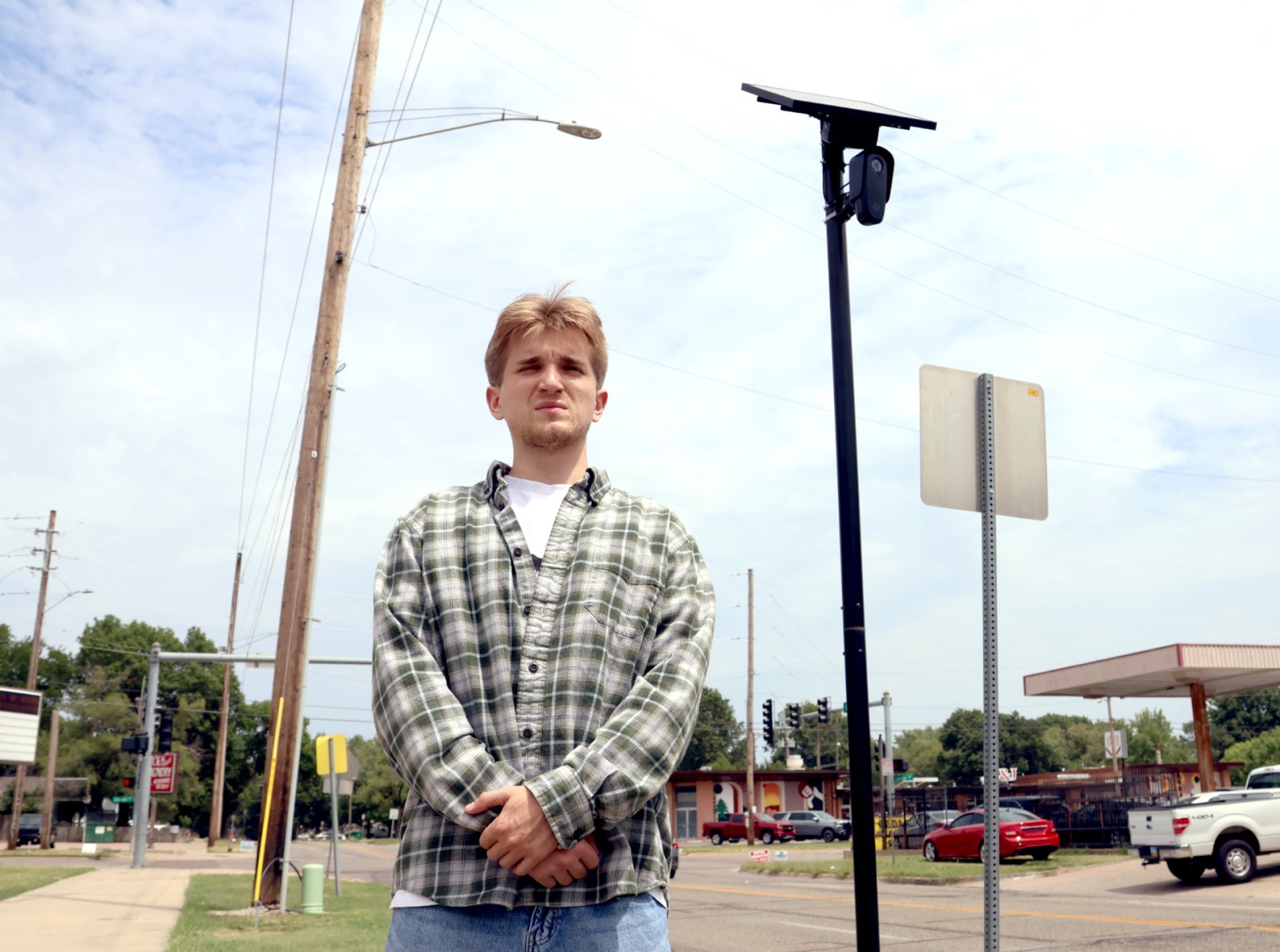
To make matters worse, Wichita does not keep this highly sensitive information private. Instead, it freely shares this treasure-trove of personal data with police departments across the country, who can then use that data without any oversight or control by Wichita.
And the Wichita Police do all of this without a warrant, without probable cause, and without any form of external accountability or judicial review.
What is the problem?
The Kansas Constitution does not authorize the government to place every single law-abiding citizen under persistent, AI-powered surveillance just because it might help catch a few criminals after the fact. Kansans do not sacrifice their right to be free from government surveillance and tracking every time they walk out the door. This lawsuit seeks relief from this unconstitutional warrantless ALPR dragnet surveillance program that empowers government officials to build an AI-generated database of the movements of the entire citizenry, without a judicial warrant, without any independent oversight, or consent.
Even when officers are using the ALPR dragnet surveillance system for legitimate law-enforcement purposes, innocent drivers are still wrongly targeted by law enforcement. Reports indicate that ALPRs have about an 80-85 percent accuracy rate. But Wichita’s ALPR dragnet surveillance program catalogs approximately 900,000 vehicle photographs every month, resulting in an estimated 100,000 erroneous readings every month.
One innocent Kansas couple caught in the ALPR dragnet has been pulled over multiple times, once being forced out of their vehicle at gunpoint. This couple did nothing wrong, but the Flock AI wrongly flagged their minivan as a stolen pickup truck. When asked about such incidents, a Wichita Police captain suggested that the couple should just get a new license plate if they were concerned.
Even if police were only using their ALPR dragnet surveillance system for legitimate law enforcement purposes, it would raise serious concerns about privacy and government overreach. Experience from across the country shows that these types of ALPR systems are prone to abuse. According to reports, police across the country have been caught using ALPR surveillance systems to track innocent citizens for personal reasons. In Kansas alone, it has been reported that at least three police officers have been caught using APLRs to stalk wives or girlfriends.
Former Kechi Police lieutenant Victor Heiar used Wichita’s Flock ALPRs to track his estranged wife. He was found guilty in the Sedgwick County District Court of unlawful use of computers and for stalking. Similarly, former Sedgwick Police Chief Lee Nygaard reportedly used Flock ALPRs to track his ex-girlfriend and her new boyfriend, resulting in Nygaard’s resignation. The Kansas Commission on Peace Officer’s Standards and Training subsequently revoked both Heiar’s and Nygaard’s Law Enforcement Officer Certification because of these abuses. And former Bonner Springs Police detective Kyle Rector faces charges for allegedly using ALPRs to track his wife and two men he believed to be romantically involved with her. Such abuses are not limited to Kansas.
The Kansas Constitution does not allow this kind of suspicionless, universal, AI-fueled surveillance. The government may not ensnare the whole citizenry in a dragnet just because police hope that a few criminals will also be caught in the net.
About the Client
Mason Grimmett grew up in Wichita and now works as a machinist. Mason values his privacy and does not want his movements tracked by the government, analyzed by an AI, and stored in a long-term database. He is a member of the Sunflower Privacy Alliance, which advocates for greater privacy protections in Kansas, and has previously testified at a Wichita City Council meeting against the City’s ALPR dragnet surveillance program.

Due to the ubiquity of Wichita’s Flock ALPR network, Mason cannot go to work, the gym, a doctor’s appointment, a polling place, or a meeting of the Sunflower Privacy Alliance without being tracked and cataloged by the Wichita Police Department and Flock Safety, Inc.
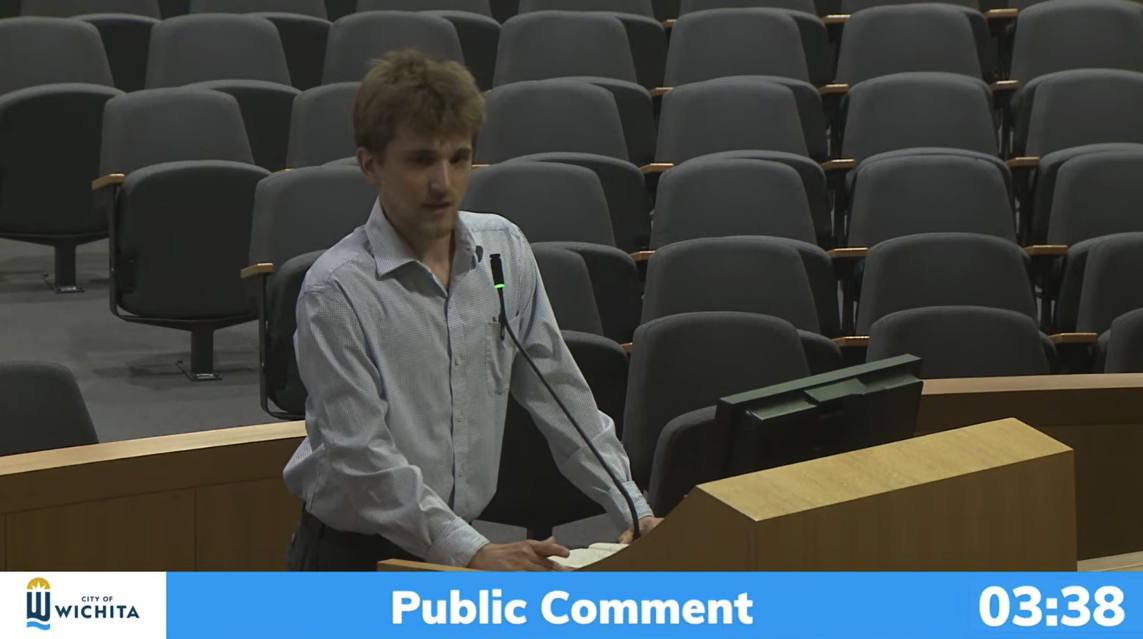
“We must set the boundaries of how and when the police and private corporations can use this tech in their favor. We have caught this overreach early enough to where we can limit its oppression before it happens,” said Mr. Grimmett.
“Mason is a law-abiding citizen trapped in Wichita’s warrantless ALPR dragnet surveillance program. He’s done absolutely nothing wrong, but he’s still being tracked, monitored, and databased. That’s unconstitutional,” says Sam MacRoberts, KJI litigation director. “If Wichita wants to track its citizens, it needs to go to a judge and get a warrant,” MacRoberts continued.


